
Budgeting
Take Control of Your Finances: The Ultimate Guide to Personal Budget and Spending Trackers
Learn how to create a realistic personal budget, track your spending, reduce debt, and make steady progress toward your financial goals.
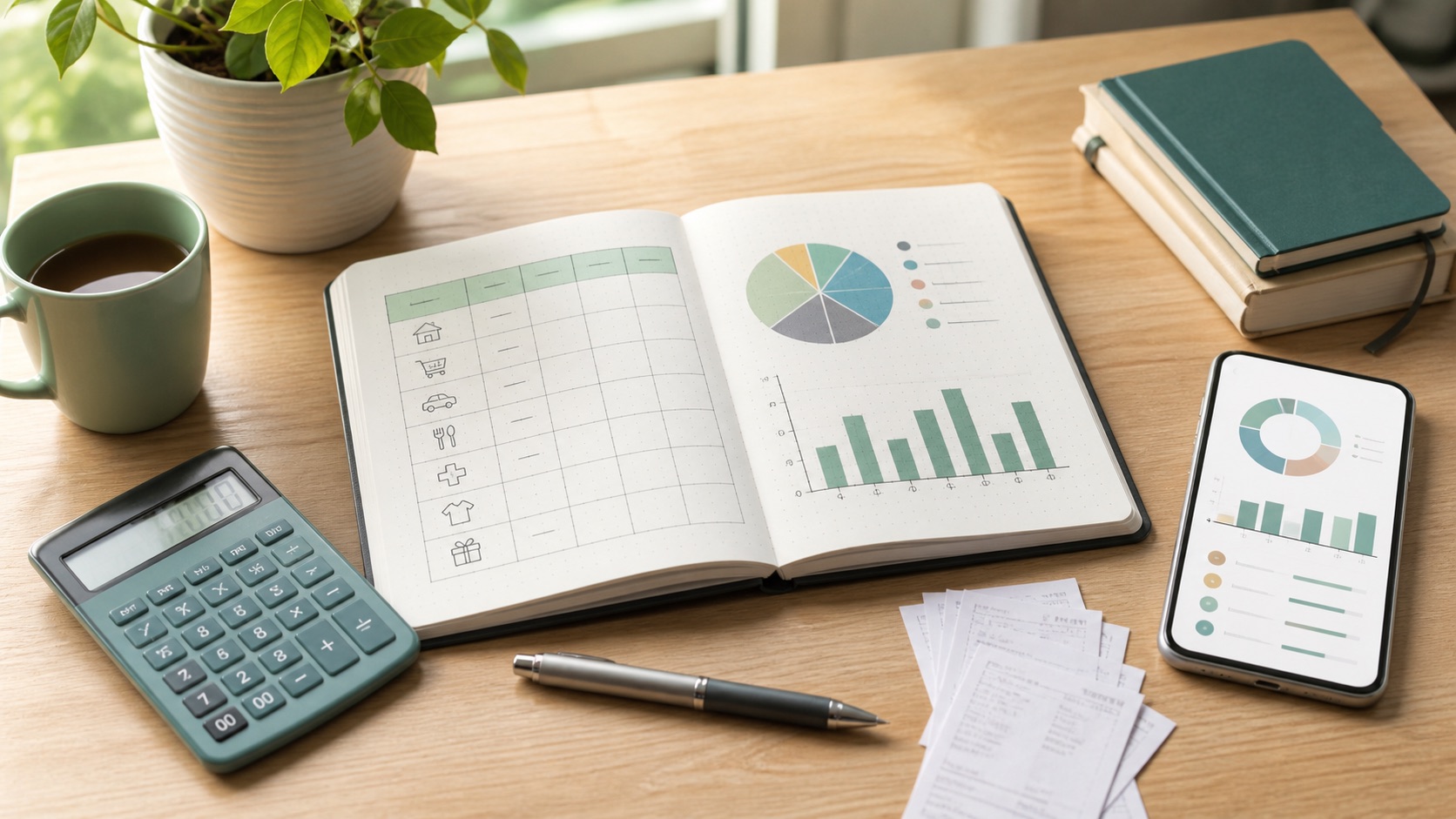
Managing personal finances can be challenging, especially when you are trying to account for every dollar you spend. Budgeting and tracking your spending are practical steps toward greater financial stability and independence. A personal budget and spending tracker can make both tasks easier.
This guide explains why budgeting matters, how a spending tracker can help, and how to start using one. Whether you are creating your first budget or refining an existing system, these steps can help you take charge of your money and work toward your financial goals.
Why budgeting is important
Budgeting is the process of planning how you will use your income and comparing that plan with your actual expenses. A clear budget can support several parts of your financial life:
- Financial stability: A budget helps you cover essential expenses and reduces the risk of spending more than you earn.
- Goal setting: You can direct money toward priorities such as an emergency fund, a home, retirement, or a planned holiday.
- Debt reduction: Tracking your spending can reveal areas where you could cut back and redirect money toward debt repayments.
- Peace of mind: Understanding where your money goes can reduce uncertainty and make financial decisions feel more manageable.
The power of a spending tracker
A spending tracker records your expenses and makes them easier to review. It can be as simple as a spreadsheet or as feature-rich as a dedicated mobile app. The right tracker can offer several benefits:
- Up-to-date visibility: Record spending as it happens and make adjustments before a category goes over budget.
- Useful categories: Group expenses such as groceries, transport, entertainment, and utilities to understand where your money is going.
- Goal progress: Compare your current results with your savings, repayment, or spending targets.
- Better-informed decisions: Use patterns in your spending history to plan future budgets with greater confidence.
How to get started with a personal budget and spending tracker
Step 1: Assess your financial situation
Begin by understanding your current finances. Gather recent bank statements, credit-card statements, loan statements, and other relevant records. Calculate your average monthly take-home income, then list your fixed and variable expenses.
Fixed costs are usually predictable, such as rent or insurance. Variable costs, including groceries, fuel, and entertainment, can change each month. Remember to include irregular expenses—annual subscriptions, school costs, repairs, and celebrations—so they do not become surprises later.
Step 2: Set realistic goals
Identify your short-term and long-term financial goals. A short-term goal might be paying off a credit-card balance or creating a small emergency fund. A long-term goal could be saving for retirement or a home deposit.
Make each goal specific enough to track. Give it a target amount, a time frame, and a realistic monthly contribution based on your current situation.
Step 3: Create a budget
Use your income and expense information to decide how much money will go toward essentials, savings, debt repayments, and discretionary spending.
The 50/30/20 rule can be a useful starting point: 50% of take-home income for needs, 30% for wants, and 20% for savings and debt repayment. Treat these percentages as guidelines rather than fixed requirements. Housing costs, family responsibilities, income, and local prices vary, so adjust the plan to fit your circumstances.
Step 4: Choose a spending tracker
Select a tracker that you will use consistently. A spreadsheet or notebook may be enough if you prefer a simple manual system. A dedicated budgeting app can make categorisation, recurring-expense tracking, and progress reviews more convenient.
Choose based on the features you actually need, how comfortable you are entering financial information, and the privacy and security practices of the service.
Step 5: Monitor and adjust
Compare your actual spending with your budget regularly. A short weekly review is often enough to catch overspending, correct categories, and prepare for upcoming bills.
If one category costs more than expected, adjust another category or revise the next month’s plan. A budget is a working plan, not a test of perfection. Regular adjustments make it more useful over time.
Make tracking easier to maintain
The best system is one you can continue using. Start with a small number of meaningful categories, record expenses consistently, and review your results on a predictable schedule. BillFoldify can help keep transactions, category budgets, recurring expenses, and financial goals visible in one place.
Conclusion
A personal budget and spending tracker can change the way you understand and manage your money. By assessing your finances, setting realistic goals, building a workable budget, and reviewing your spending regularly, you can make more deliberate financial decisions and move steadily toward your goals.
Start with the information you have today. Your budget does not need to be perfect—it needs to be clear, realistic, and useful.