

Budgeting
Budget for a Community Class With Materials
See the enrollment fee and supply list before committing to a class.
Read article →BillFoldify journal
Practical guides for building budgets, tracking expenses, and turning financial information into useful habits.
Featured guide

Plan for changing sizes without replacing every item at once.
Read guide →Latest articles
See the enrollment fee and supply list before committing to a class.
Read article →
Include food, transit, and small purchases in a day-event plan.
Read article →
Account for installation and equipment alongside the monthly internet bill.
Read article →
Prepare for temporary lodging and daily costs if repairs make home unavailable.
Read article →
Plan for the small repairs and replacement parts that keep a bicycle usable.
Read article →
Use a flexible list and clear limit for seasonal market shopping.
Read article →
Compare the full delivered basket with an in-store shopping plan.
Read article →
A short plan for convenience meals can make a demanding week easier to manage.
Read article →
See the full cost of washing, drying, and getting to the laundromat.
Read article →
Replace used basics thoughtfully without buying a whole new kit.
Read article →
Keep worn everyday utensils from becoming a surprise household shopping spree.
Read article →
Keep seeds, soil, tools, and replacement plants in one seasonal plan.
Read article →
Make room for transport, entry fees, and small extras on school activity days.
Read article →
Build a practical clothing list when a job changes what you need to wear.
Read article →
Plan registration, study materials, and travel before the application deadline.
Read article →
Add luggage and baggage rules to a trip budget before booking.
Read article →
Host a loved one comfortably while keeping shared plans within your budget.
Read article →
Keep a clear record when one shopping trip covers more than your own home.
Read article →
See how base fares, surcharges, and tips affect transport spending.
Read article →
Choose how to divide contributions when more than one goal matters.
Read article →
Plan the whole evening so a ticket price does not hide the other costs.
Read article →
See the combined cost of several invitations before committing to plans.
Read article →
Prepare for a temporary income gap with dates and priorities.
Read article →
Compare course fees with the materials and time a learning plan needs.
Read article →
Use a clear cost comparison when an appliance stops working.
Read article →
Track shared bookings without mistaking friends’ repayments for income.
Read article →
Turn early baby spending into a short, flexible plan.
Read article →
Translate shared costs into clear amounts and payment dates.
Read article →
Keep repeat supplies visible between larger household purchases.
Read article →
Compare your phone plan with your actual usage and the full renewal cost.
Read article →
Build a routine pet budget once the initial setup costs are behind you.
Read article →
Include registration, equipment, and travel in one activity budget.
Read article →
Keep dates, fees, and paperwork for required renewals in one practical plan.
Read article →
A return changes the real cost of a purchase. Keep the original charge and refund easy to follow.
Read article →
Spot changes in familiar items without rebuilding your whole budget.
Read article →
Make a larger pantry shop visible without treating it as an ordinary week.
Read article →
Keep recurring payments and spending records connected through an account switch.
Read article →
Make split payments easier to understand in an expense record.
Read article →
Keep future purchases clear when you pay in stages.
Read article →
A rent increase or decrease affects more than the housing line. Update the rest of the month before the new payment begins.
Read article →
The first year with a pet can include one-time setup costs and repeating care expenses. A simple plan helps both types stay visible.
Read article →
A dinner or gathering can be generous without leaving its costs vague. Set a simple hosting plan around the occasion.
Read article →
A day trip often costs more than the headline ticket or fare. A short plan keeps the whole outing in view.
Read article →
Clothing spending can be sporadic even when the need is predictable. A replacement list keeps essentials distinct from impulse purchases.
Read article →
Classes, outings, and family commitments can crowd one month even when each individual cost is manageable.
Read article →
Childcare spending often follows a school term or work schedule rather than a tidy monthly amount.
Read article →
Looking for work may bring travel, printing, training, or equipment costs. A clear list helps you decide what is useful now.
Read article →
The cost of a car goes beyond fuel. Seeing routine and occasional costs together makes the transport budget more useful.
Read article →
A phone, laptop, or other everyday device may need replacing before you feel ready. Turn a vague future purchase into a practical range.
Read article →
A move brings deposits, transport, setup purchases, and overlap between homes. Build a timeline before you set a moving budget.
Read article →
Cloud storage and backup plans often start small, then become part of the monthly bill stack. Review what you use and when plans renew.
Read article →
Birthdays, milestones, and get-togethers can be meaningful without repeating the same rushed spending cycle.
Read article →
Electricity, heating, and water use can shift with the season. Recent bills can help you plan for a higher month without assuming every month is the same.
Read article →
A supermarket total can mix food with cleaning, paper, and personal-care items. Splitting those costs can make both plans clearer.
Read article →
Giving can be part of a spending plan without turning every request into an on-the-spot decision.
Read article →
Hybrid work, rotating shifts, and occasional office days can make transport costs harder to estimate from a single week.
Read article →
A new hobby can have a modest entry point or a long equipment list. Try a small first phase before committing to the full setup.
Read article →
Paying a work expense yourself can temporarily make personal spending look higher. Keep the purchase and repayment easy to identify.
Read article →
Small transaction fees can be easy to miss when they sit beside the purchase that caused them. Track them long enough to see the pattern.
Read article →
A planning checklist for spreading school supplies, uniforms, fees, transport, and other term-start costs across the calendar.
Read article →
A homeowner and renter checklist for anticipating routine upkeep, recording repairs, and planning for less predictable costs.
Read article →
A gentle way to define a starter cash buffer, choose a manageable contribution, and keep progress visible.
Read article →
Create a small, practical category list that makes spending easier to understand without turning tracking into homework.
Read article →
Map due dates and payment methods into a simple monthly view to make bill timing easier to coordinate with income.
Read article →
A short, low-pressure routine for partners to review shared costs, upcoming bills, and household priorities together.
Read article →
A practical way to plan transport, lodging, meals, and a contingency amount while keeping trip spending easy to review.
Read article →
A flexible planning method for freelance, commission, shift-based, and otherwise variable income.
Read article →
Include enjoyable spending in a realistic plan so everyday treats do not have to compete with essentials by surprise.
Read article →
A practical record-keeping approach for appointments, prescriptions, insurance payments, and other health-related costs.
Read article →
Simple record-keeping habits for separating side-business costs from personal spending and making receipts easier to find.
Read article →
A flexible approach to gifts, travel, meals, and seasonal costs that keeps holiday plans connected to the rest of your budget.
Read article →
A practical sinking-fund approach for annual, seasonal, and occasional costs that do not arrive every month.
Read article →
A short checklist for closing the month, catching missing expenses, and carrying useful lessons into the next budget.
Read article →
A quick audit for finding recurring charges, checking their value, and making changes before another renewal.
Read article →
Use recent shopping patterns, meal plans, and a flexible allowance to make a grocery budget easier to follow.
Read article →
A simple routine for recording cash purchases, withdrawals, and remaining cash without turning every coin into a project.
Read article →
A practical receipt workflow for capturing important details, checking extracted information, and finding records later.
Read article →
Turn a few months of expense history into practical estimates for the next budget without overreacting to one unusual week.
Read article →
A calm reset for understanding an overspend, adjusting the rest of the month, and learning from the pattern.
Read article →
A simple Tuesday expense review can help you catch repeated small purchases and keep your weekly budget easier to follow.
Read article →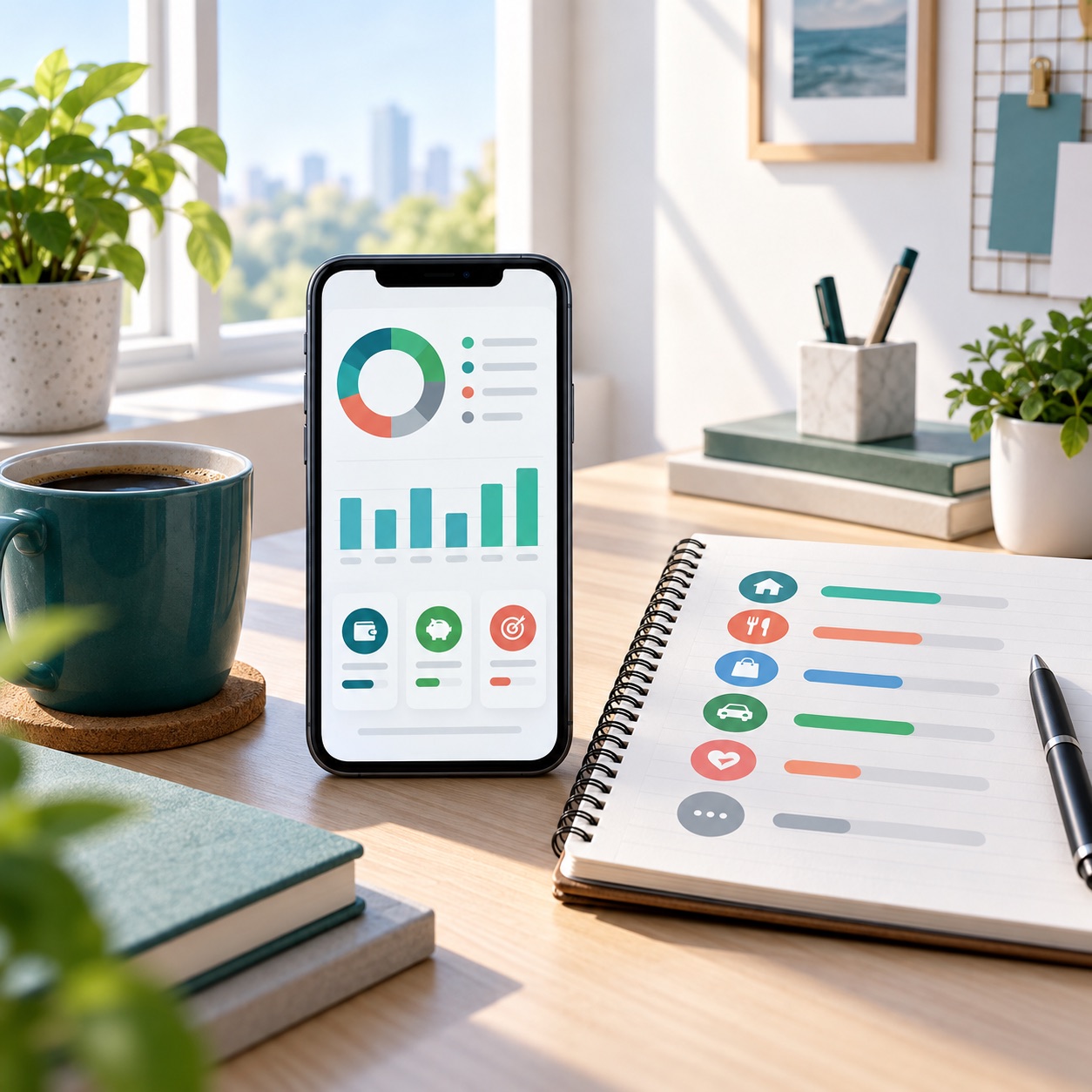
A simple Monday routine for reviewing spending, budgets, recurring payments, and savings goals before the week gets busy.
Read article →
A practical Saturday routine for keeping shared household costs visible without turning every money conversation into a long meeting.
Read article →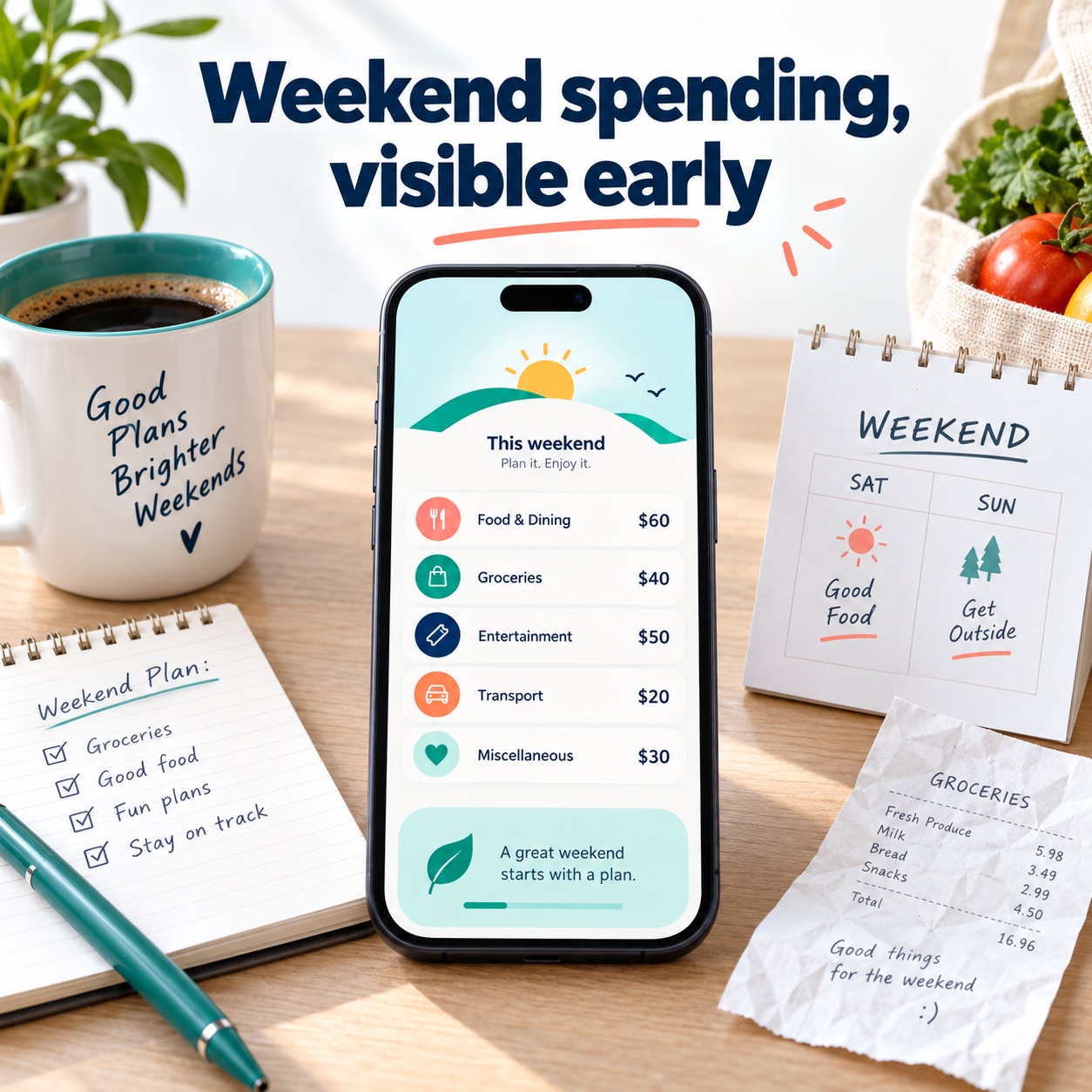
A practical Friday routine for keeping weekend plans visible, flexible, and aligned with the budget you already set.
Read article →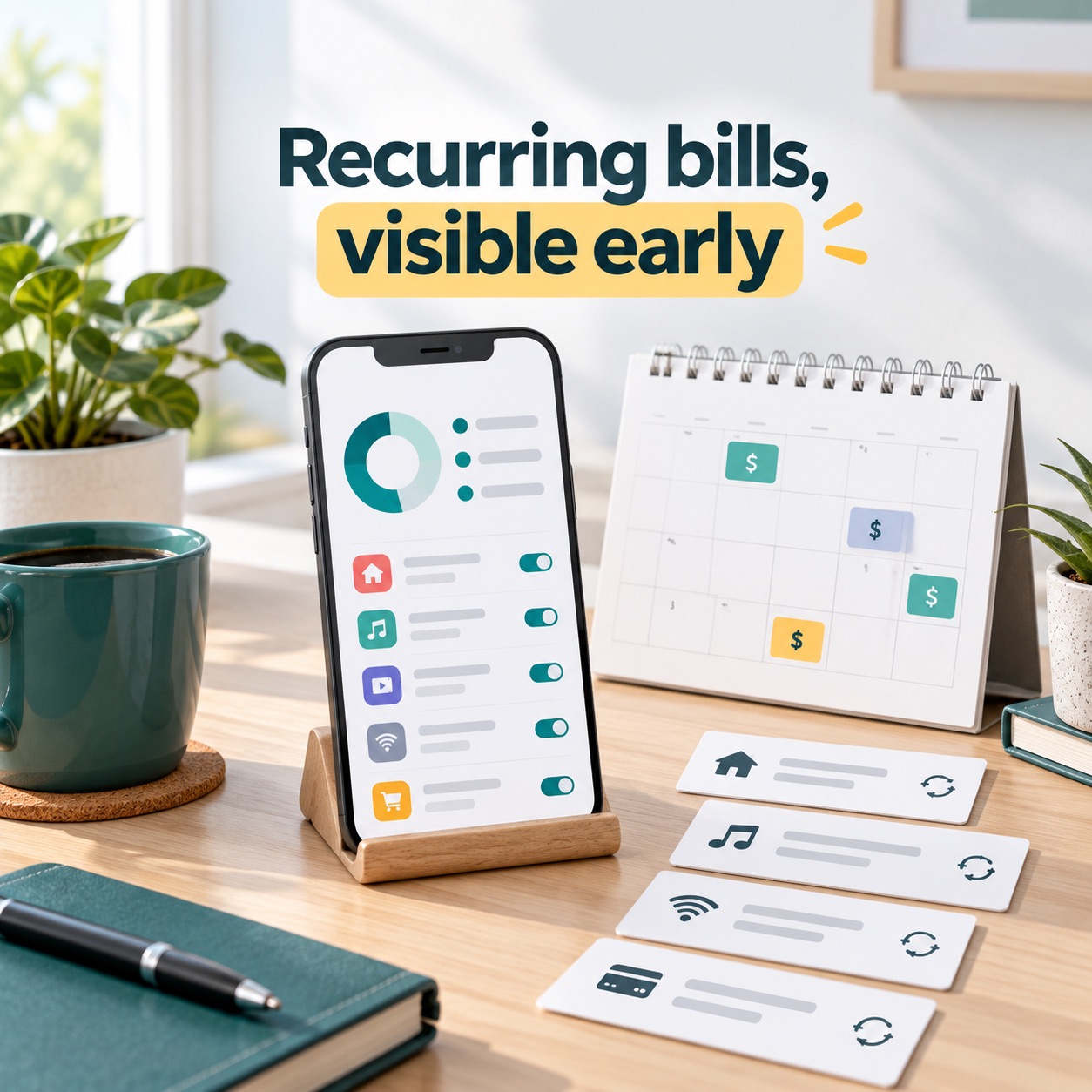
A practical payday routine for keeping rent, utilities, subscriptions, and transfers visible before they crowd the monthly budget.
Read article →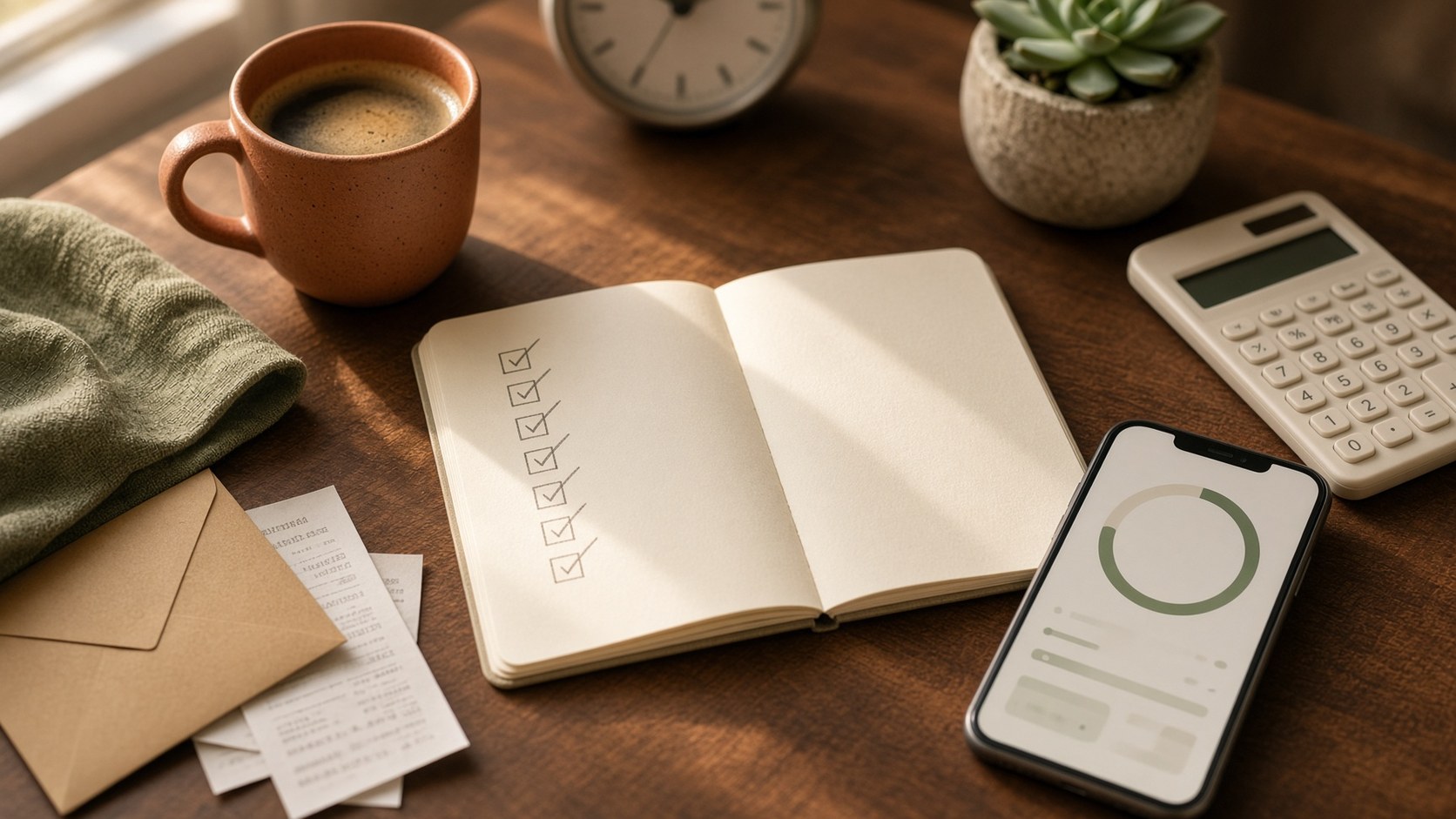
A calm seven-day setup: add accounts, set categories, log spending, scan receipts, review the week, set one goal, and check progress.
Read article →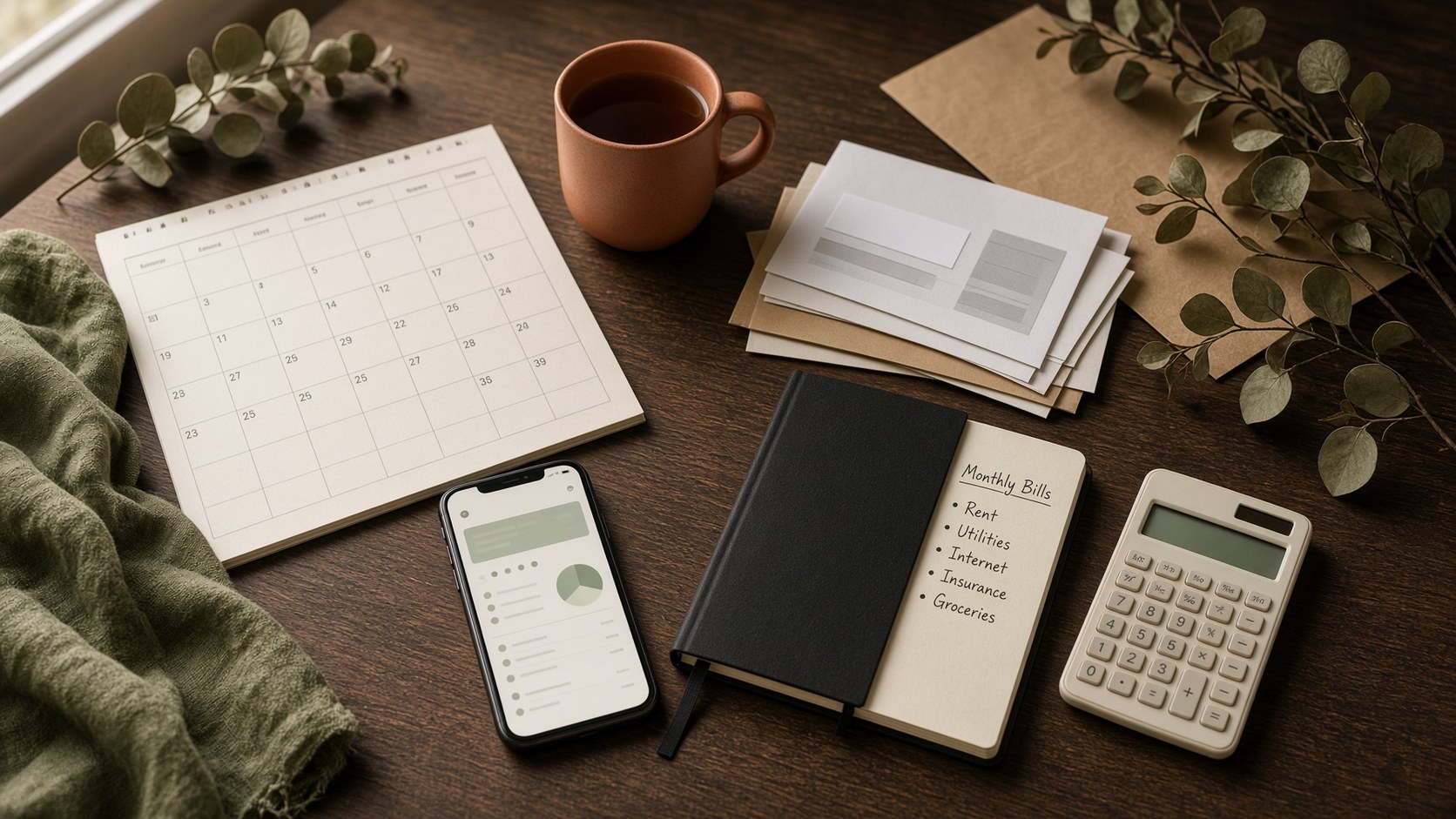
A simple way to list, schedule, and review recurring payments so rent, utilities, and subscriptions stop surprising your monthly budget.
Read article →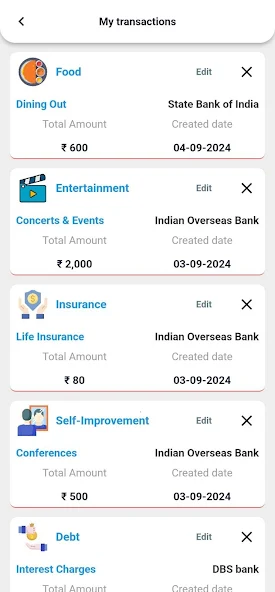
A practical Facebook Page strategy for BillFoldify, including a 3-times-daily posting rhythm, image guidance, and a simple launch plan for a free iOS and Android app.
Read article →
Use a short evening review to catch small expenses, update your budget, and keep tomorrow's spending decisions easier.
Read article →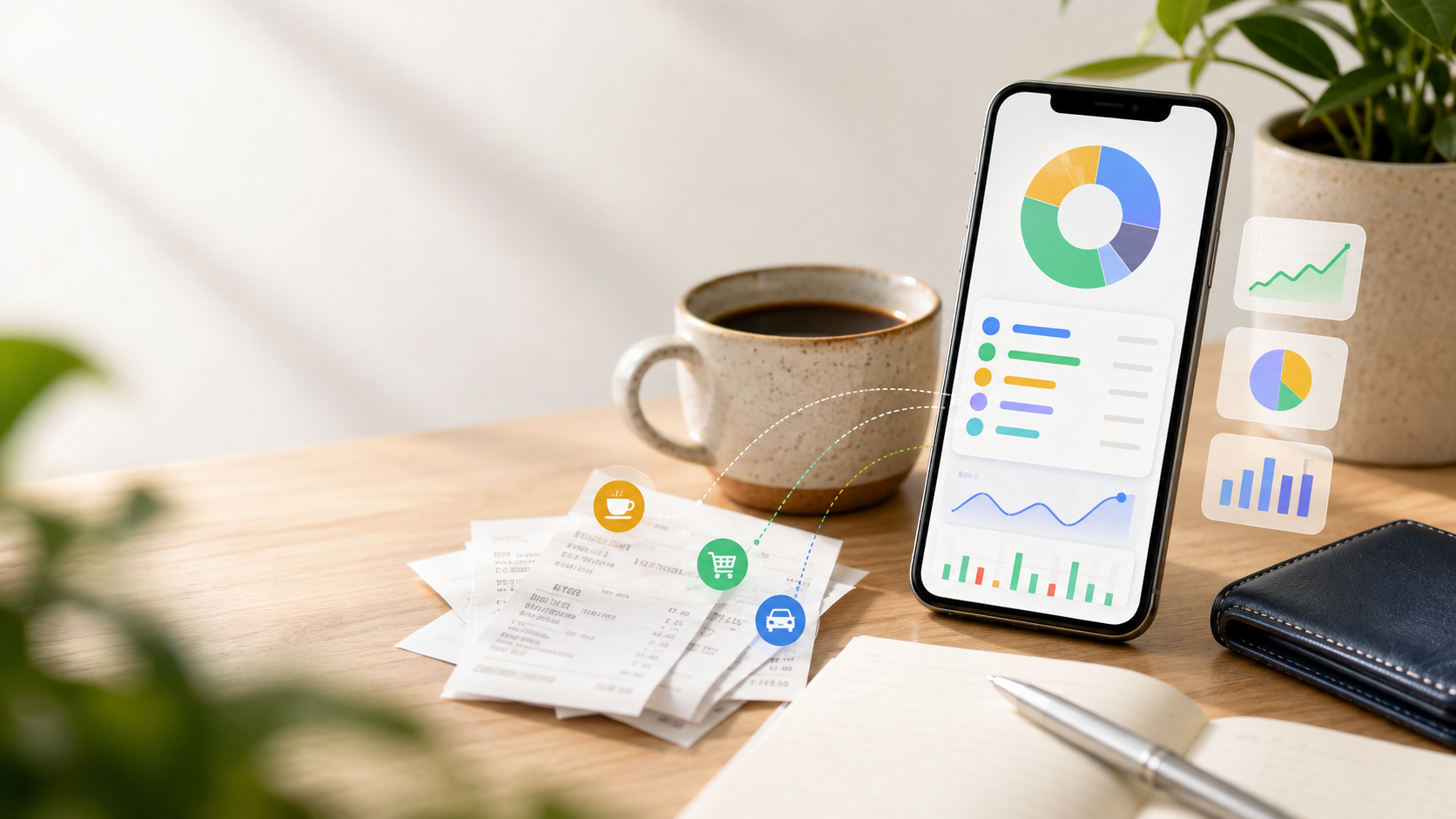
Use a simple weekly review to spot small spending leaks, clean up categories, and keep your budget easier to follow with BillFoldify.
Read article →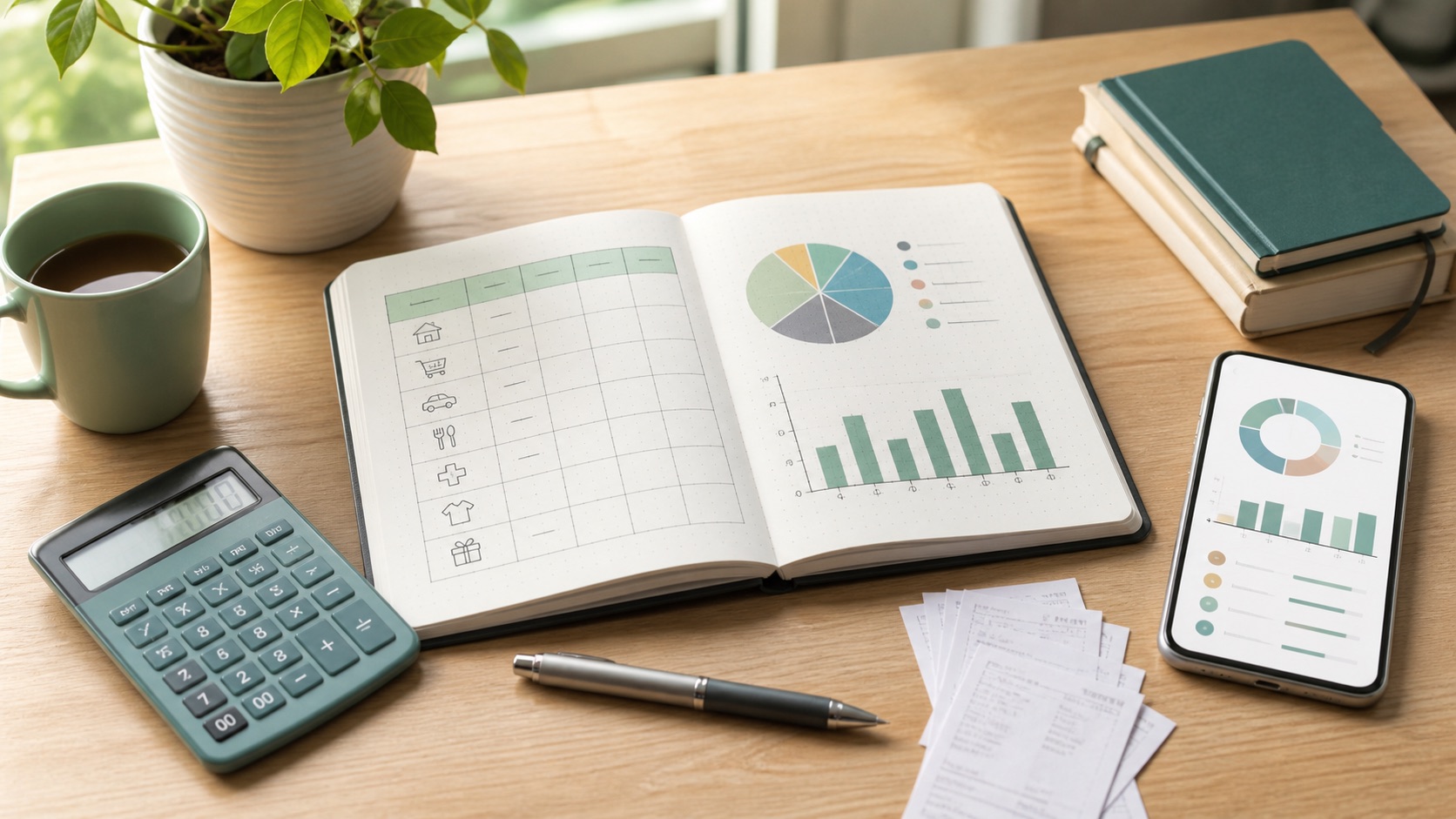
A simple weekly method for understanding small expenses, organising categories, and making a personal budget easier to follow with BillFoldify.
Read article →Learn how to create a realistic personal budget, track your spending, reduce debt, and make steady progress toward your financial goals.
Read article →
A practical, flexible monthly-budget method that starts with real spending and leaves room for irregular costs and changing priorities.
Read article →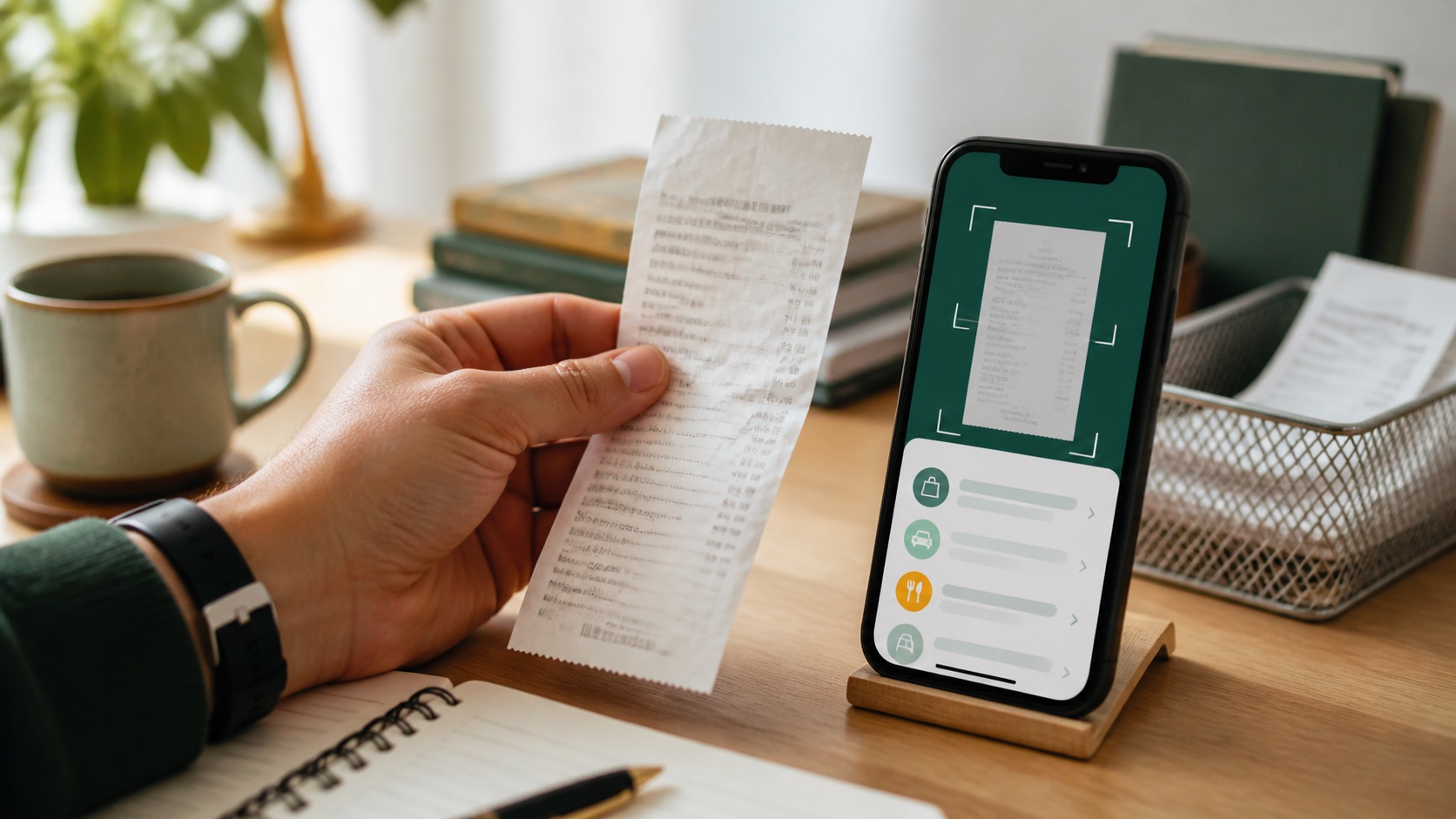
Learn how receipt and invoice extraction can reduce repetitive entry while keeping accuracy, privacy, and human review at the centre of your workflow.
Read article →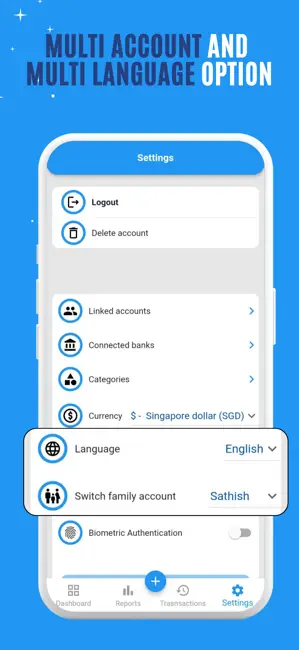
Learn how BillFoldify supports shared family expense tracking and separate business accounts for clearer personal and professional records.
Read article →Explore BillFoldify features for tracking expenses, extracting invoice data, managing budgets, and understanding spending across currencies.
Read article →
See how BillFoldify extracts invoice and receipt details to reduce manual entry, improve organization, and simplify expense tracking.
Read article →
Meet BillFoldify, an intuitive expense-tracking app for organizing spending, creating budgets, and understanding your everyday financial habits.
Read article →